History
Learn the History.
The people, towns, counties, institutions, movements, and moments that shaped the African American South.
01 The Name
Named for the soil. Defined by the people.
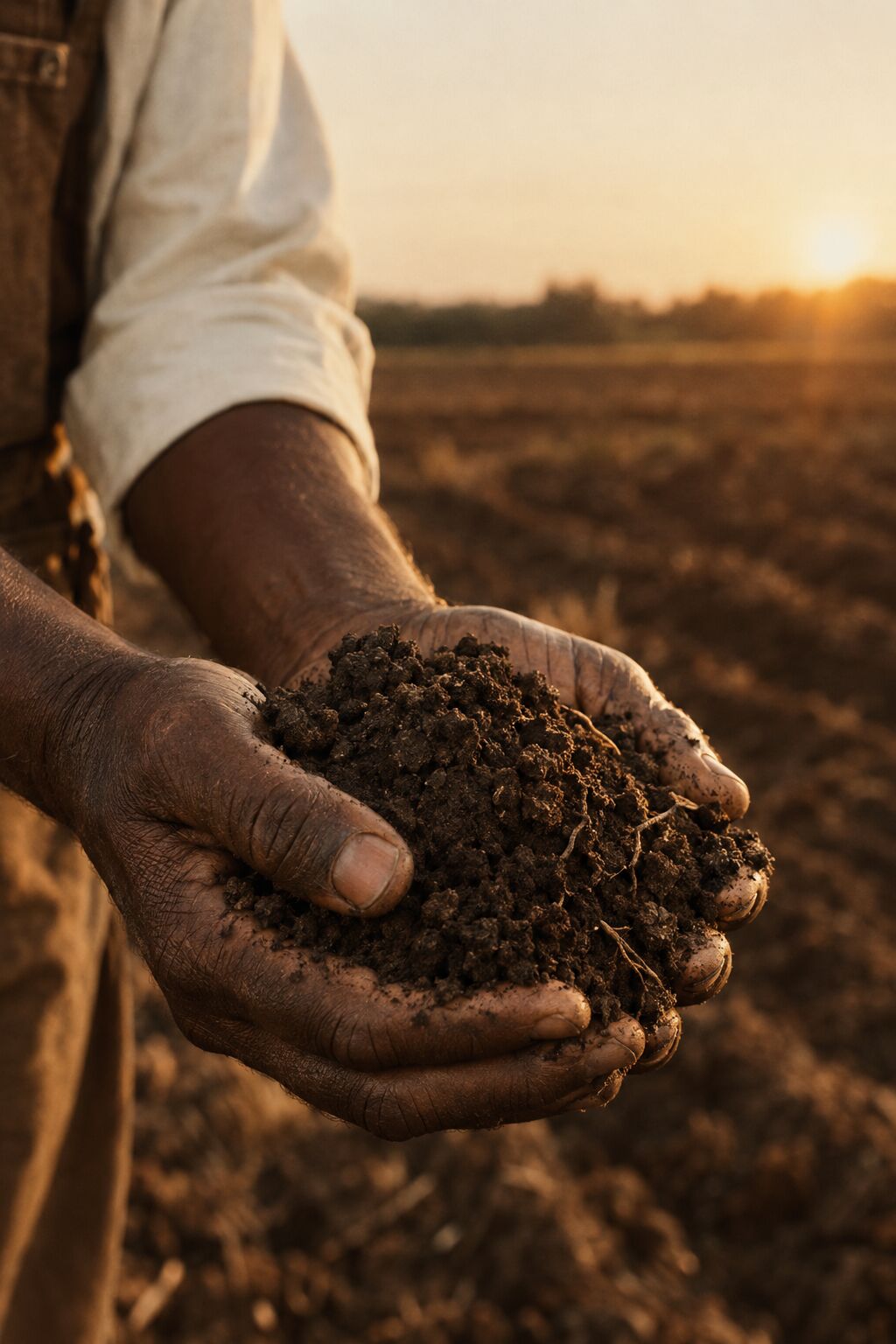
Alabama’s Black Belt cuts through the middle of the state, from the Mississippi line to just short of Georgia. Its name comes from its dark, rich soil.
That soil drew slaveholders into the region in the 1820s and 30s to build a cotton economy on enslaved labor. Over time, “Black Belt” became a broader name for the places where Black Southerners were the majority — the families who worked the land, stayed on it, and built institutions, music, faith, and movements that changed the country.
Sources: Southern Spaces · Auburn University
02 Moments
A Black Belt Timeline
A Legacy of Civil Rights
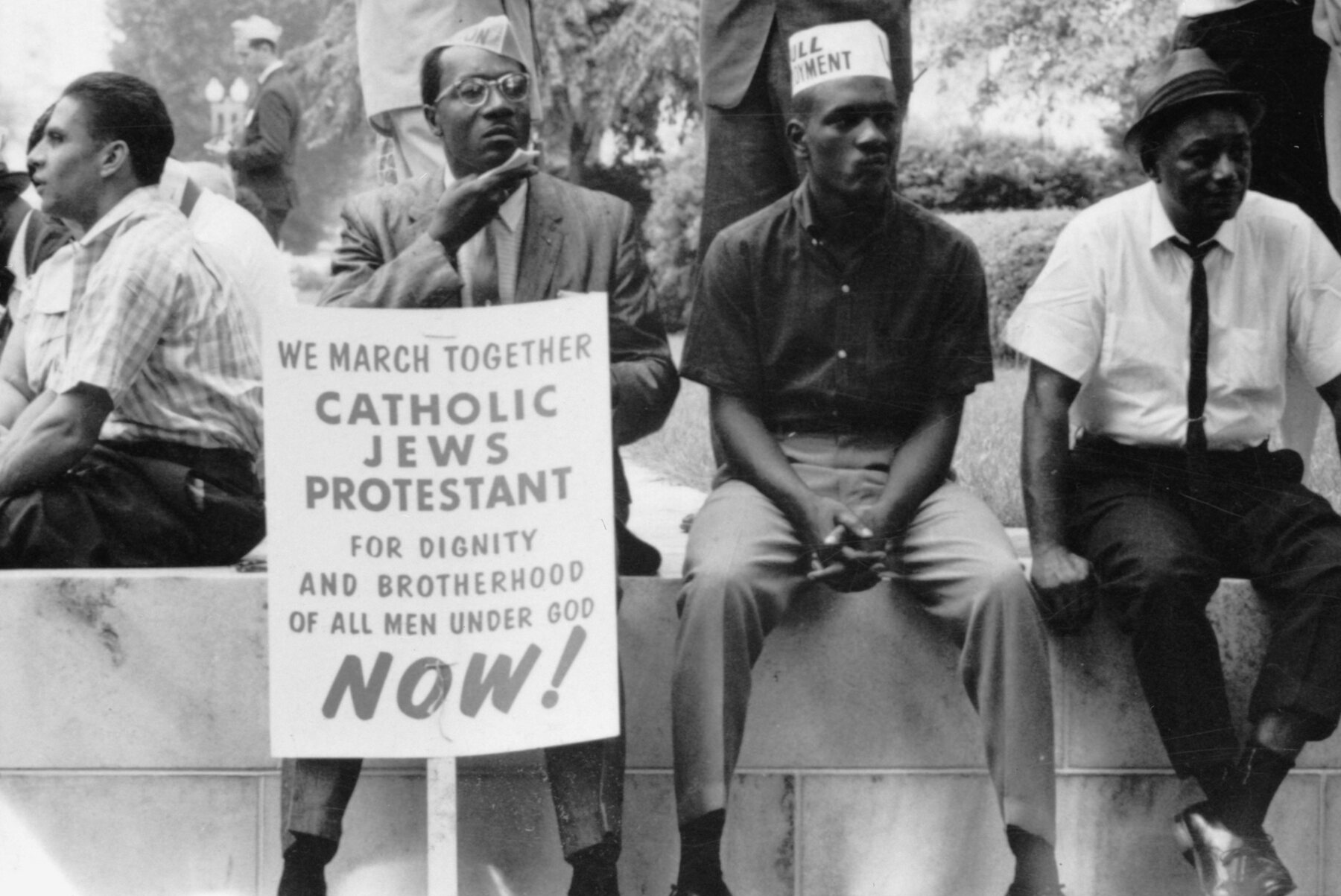
Where the vote was won.
Montgomery, Tuskegee, Selma, Marion, Lowndes, Wilcox and Greene. Follow the civil rights era through the places it happened, from the bus boycott in 1955 to the first Black sheriff of Lowndes County in 1970.
Legends of the Movement
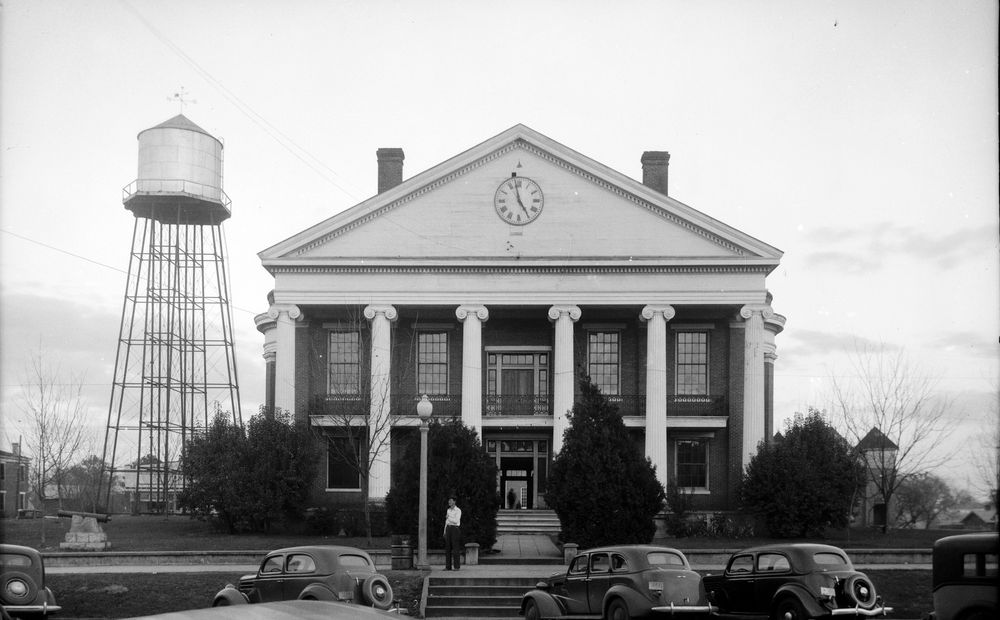
The people who paid for the vote.
Full-length stories of Black Belt men and women whose service and sacrifice moved the movement forward. We begin in Marion, with a young deacon named Jimmie Lee Jackson.
Schools & HBCUs
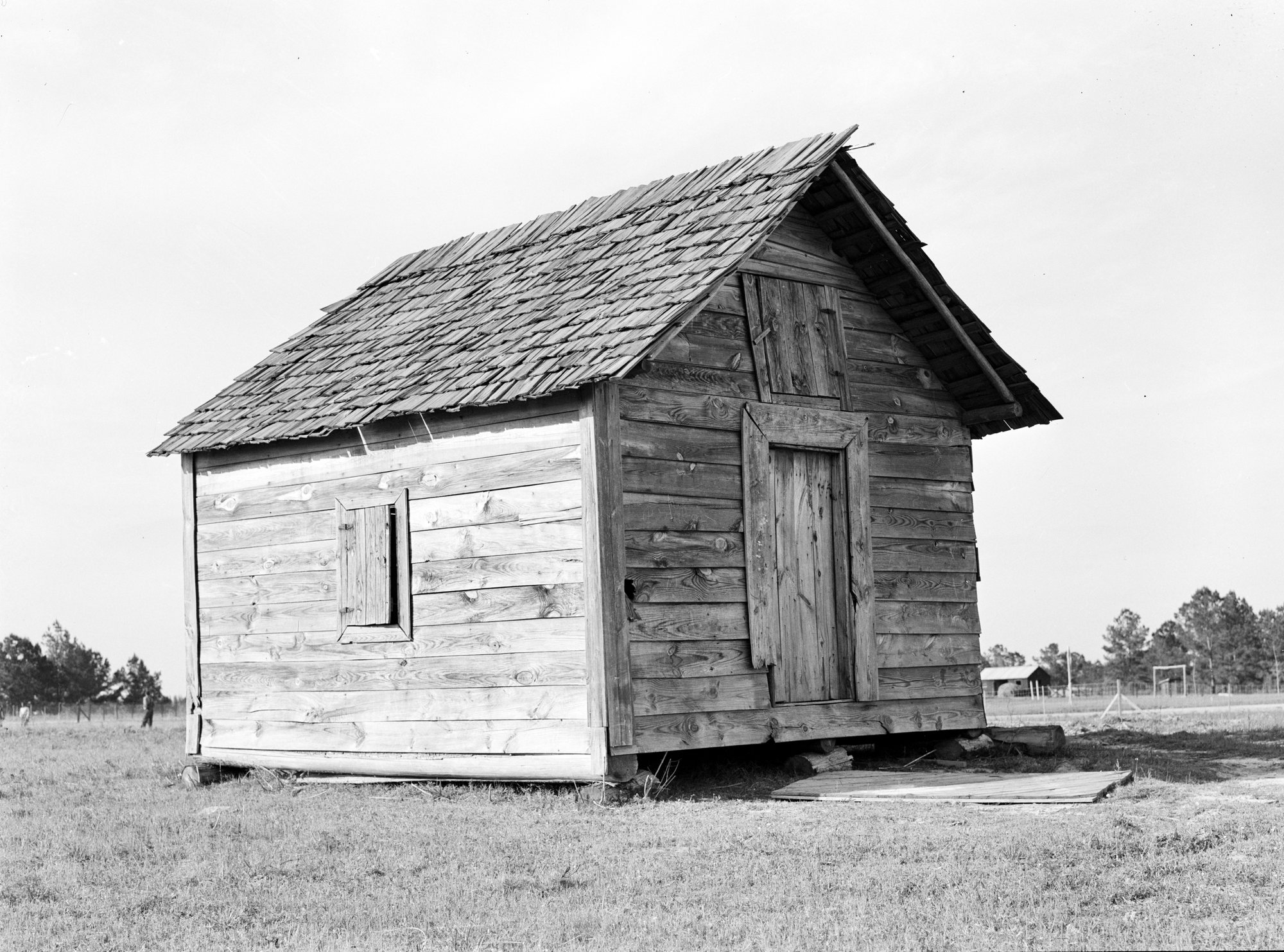
They built schools.
Twenty schools in nine counties, from the Lincoln School in Marion and Burrell Academy in Selma to the Wilcox County mission schools and the Rosenwald schoolhouses families paid for themselves.
Traditions · Hale County, outside Uniontown
The Footwash. It started as a burial fund.
Every September, tens of thousands of people drive down a narrow county road off Highway 80 for the Footwash. Most of them couldn’t tell you it began in 1888 with a group of Black men pooling dimes so nobody in their community would go into a pauper’s grave.
- 1888The Fair Hope Benevolent Society forms
- 10¢Monthly dues, a dime a member
- $37What a casket cost back then
- 4thThe fourth weekend in September, every year
A society for the living and the dead
After slavery, freedpeople across the South built benevolent societies to do what nobody else would do for them: feed the hungry, sit with the sick and bury the dead with dignity. Life insurance was hard for Black families to get, and a funeral could break a household.
In 1888, men in the Faunsdale and Uniontown area formed the Fair Hope Benevolent Society. Each member paid ten cents a month. The money bought caskets, which ran about $37 then, and what was left went to the sick and to burial costs. The society still does that work today.
When there was money left at the end of the year, the members held an annual meeting on the fourth Sunday in September. The elders called it the Society Turnout. They walked in from the woods to a one-room building, the women dressed in white, and a minister preached. Then everybody went down in the woods to eat.
Going to Greer’s
The gathering sits in Hale County, near where Hale, Perry and Marengo counties meet, but most people say it’s in Uniontown. Folks who grew up nearby still call it “going to Greer’s,” after the one-room Greer School that Black residents built and named for Oscar Greer, a white landowner in the area. That building burned, and a new one went up in its place in 1955. The society still meets there on fourth Sundays.
One man who’d gone since childhood told AL.com that families used to come “on mules, wagons, however they could get here,” kill hogs and set up booths, the same as they do now.
How it grew
Over the decades the turnout drew more people than the members could have imagined. During the Great Migration, sons and daughters who had moved north came home every September and brought friends who didn’t know the tradition. As civil rights opened other doors, the society’s services were needed less, and its membership thinned. Some landowners began leasing their land to outsiders during the celebration.
Today it runs four days and nights across about 600 acres of private land. There’s food, music, shopping and, after dark, a party scene that’s earned the Footwash a wild reputation. State troopers now patrol the grounds and the roads. Crowd estimates run anywhere from 30,000 to 100,000. Nobody advertises it. People hear about it from family.
On Sunday, the society still holds worship in the schoolhouse. For a lot of people who left the Black Belt, the Footwash has turned into a homecoming, the one weekend a year they can count on seeing everybody.
Sources: AL.com (2015) · Selma Times-Journal (2007) · University of Alabama, Project CHITLIN (2002) · Educational Media Reviews Online · WHYY · Philadelphia Sunday Sun · WAKA
03 The Places
Nineteen Counties, One Story
In January 2023, Congress created the Alabama Black Belt National Heritage Area across these 19 counties. We’ll be telling each county’s story — its towns, churches, schools, and people.
Sources: Encyclopedia of Alabama · National Park Service
Keep Learning
History survives when somebody carries it.
Read our long-form history features and the books that shaped our thinking.