History · Schools & HBCUs
They built schools with almost nothing.
Two years after slavery ended, nine men in Marion raised $500 for a school. What they started is still teaching, in Montgomery, in Selma and in Tuskegee.
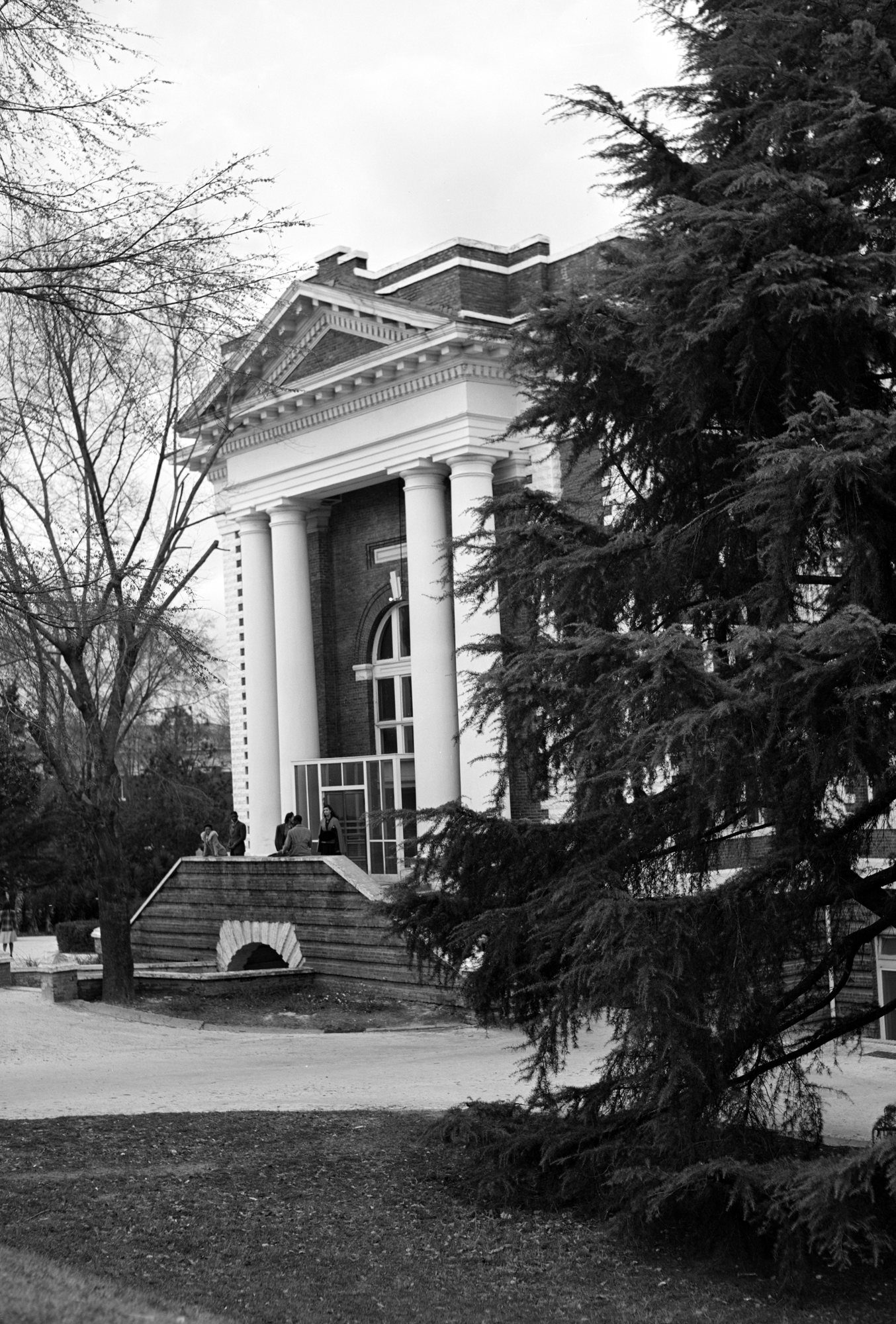
Tuskegee Institute, 1942. Arthur Rothstein, Library of Congress
Why it matters
People who’d been kept from reading by law went straight to building classrooms. They pooled money they barely had, borrowed church rooms and plantation land, and trained teachers who went back out to the county roads and started more schools. A lot of Black Southern families can trace a grandparent’s diploma to one of the places on this page.
01 The Schools That Came First
Church rooms, fairgrounds and $500.
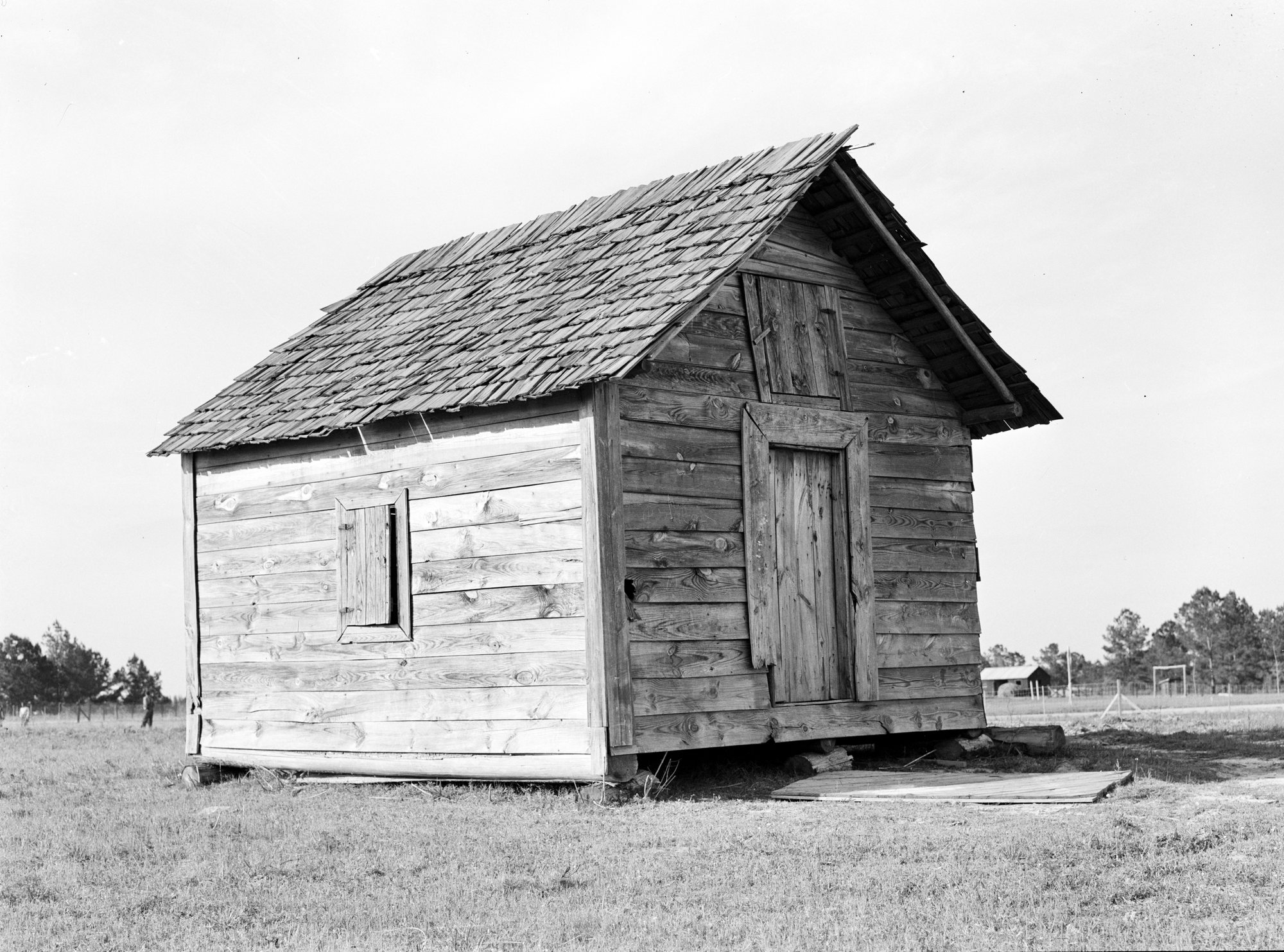
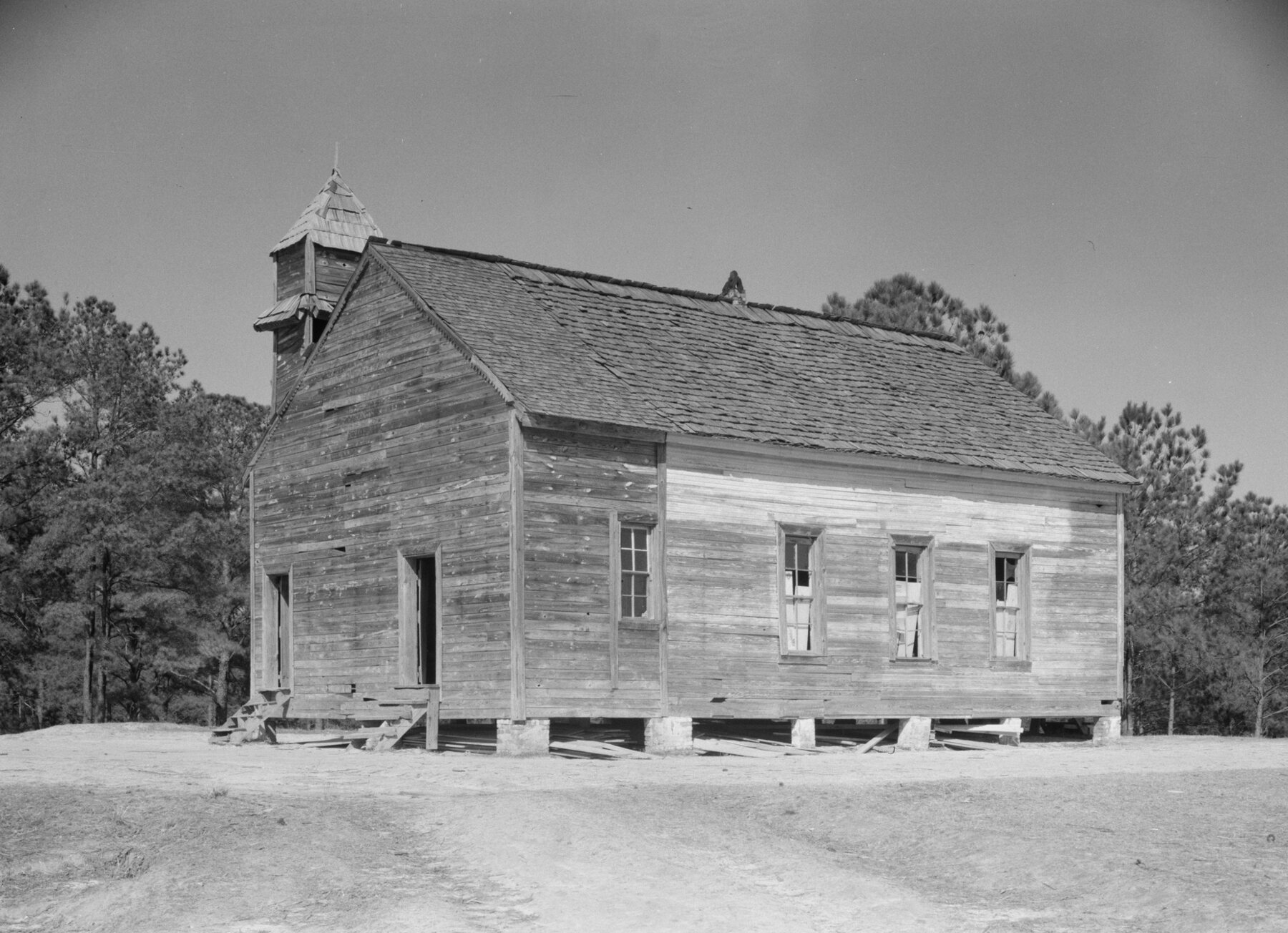
Twenty schools across nine Black Belt counties, from 1867 to the last Rosenwald schoolhouses. Some closed, some moved, some are community centers now, and a few are still teaching. Pick a county to narrow the list.
02 The HBCUs
Still in session.
Historically Black colleges and universities in Black Belt cities, plus one we lost. Each name goes to the school’s own site, which is the best place to visit, apply or give.
We aren’t affiliated with any of these schools, and we don’t use their names, logos or seals on anything we sell.
03 The People
Founders, teachers and graduates.
A few of the people who built these schools or came out of them.
04 Go see it
Stand where they taught.
From the shop
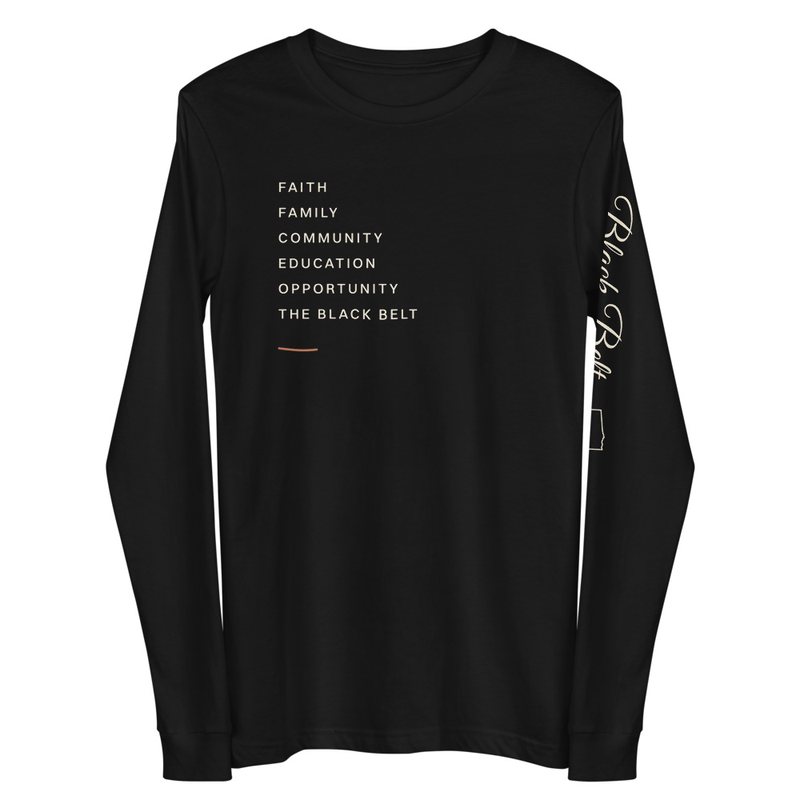
Faith, Family, Community Long Sleeve
A shirt for the people on this page. EDUCATION sits right in the stack on the chest, between COMMUNITY and OPPORTUNITY, the way it always has here. It’s in the shop now, made to order for you.
Shop itYour Turn
Where did your family go to school?
A Rosenwald school, a county training school, a church that doubled as a classroom, an HBCU. Tell us about it and we may feature it here.