Stories · Black Belt Music
Before it was recorded, it was sung here.
Work songs and spirituals in Sumter County. Gospel in Selma. Soul in Montgomery. Funk at Tuskegee. The Black Belt has been feeding American music for a long time, usually without the credit.
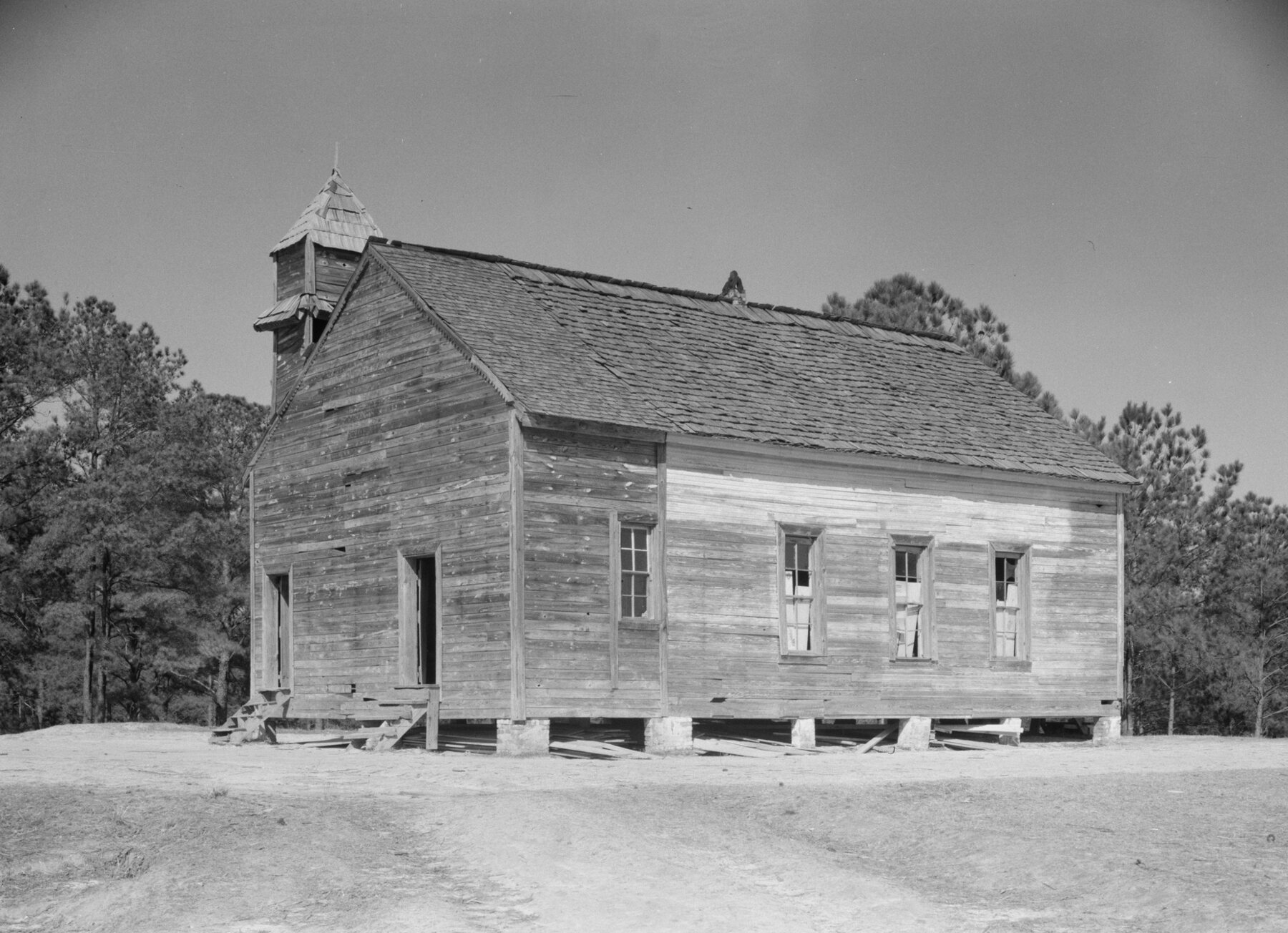
Church at Gee’s Bend, Wilcox County, 1937. Arthur Rothstein, Library of Congress
Ask people where the blues came from and they’ll say the Delta. Ask the folklorists who recorded Alabama in the 1930s and you get a different answer. Out here, the songs were rural, close to the field and the church, and in some ways closer to the source. This page is a starting place: the voices that got written down, the names that went on to be famous, and the music still being made at home.
01 The Roots
Field, porch and pew.
In the 1930s and ’40s, John and Alan Lomax came through the Black Belt with recording equipment for the Library of Congress. With help from a Livingston folklorist, they caught singers nobody outside the county had heard.
02 Gospel
Selma sang first.
Mass choirs, quartets and freedom songs. Some of the biggest voices in gospel music came out of Dallas and Montgomery counties.
03 From Here
Famous everywhere. Born here.
Some left as children and some stayed close. All of them started in Black Belt counties.
04 The Sound Now
Still playing.
The tradition isn’t just in the archive. It’s in a choir that’s been singing since 1886, a band that fills a stadium and a church on any Sunday.
A note on the music. We don’t host recordings. Every “listen” link goes to the archive, museum or streaming service that holds the rights, so the artists and their estates get the credit and the plays.
Your Turn
Who should we be listening to?
A cousin with a voice, a quartet at your church, a young producer back home. Tell us and we may feature them in the next playlist.